
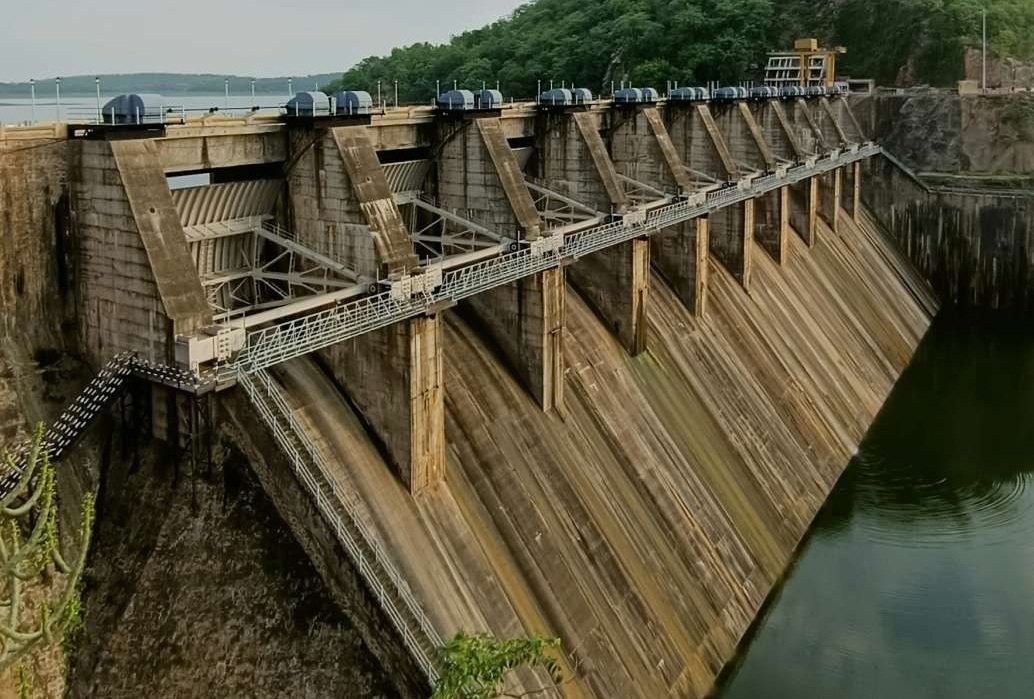
As India accelerates its transition toward clean, reliable, and secure energy systems, hydropower continues to play a critical role in ensuring grid stability, renewable energy integration, and long-term water security. However, escalating climate risks—particularly in ecologically fragile regions such as the Himalayas—are forcing policymakers, engineers, and planners to rethink conventional approaches to dam and hydropower infrastructure development.
Against this backdrop, the Conference on Climate-Resilient Dams and Hydropower Infrastructure: Integrating Environmental Sustainability in Planning and Development will be held on 29–30 January 2026 at the SCOPE Convention Center, Lodhi Road, New Delhi. The conference is organized by INCOLD, with support from CBIP and ICOLD, and brings together a wide spectrum of national and international experts to deliberate on the future of climate-smart water and energy infrastructure.
Responding to a Planetary Emergency
Climate change is no longer a distant threat—it is unfolding in real time. Altered precipitation patterns, increasing frequency of extreme weather events, accelerated glacier retreat, and rising sea levels are reshaping hydrological systems across India. These shifts are directly affecting dam safety, reservoir operations, flood management, sediment dynamics, and hydropower generation.
In recent years, particularly during intense monsoon seasons, northern Indian states such as Uttarakhand, Himachal Pradesh, Jammu & Kashmir, and Punjab have experienced devastating floods, landslides, cloudbursts, and infrastructure failures. These events have led to loss of life, displacement of communities, destruction of homes and transport networks, and disruptions to hydropower operations. Experts increasingly attribute these disasters to a convergence of climate-induced extremes, deforestation, unregulated construction, and fragile mountain ecosystems under stress.
The conference aims to address these realities by promoting climate-resilient, environmentally sustainable, and socially responsible infrastructure planning, especially in vulnerable and disaster-prone regions.
A Platform for Cross-Sectoral Collaboration
The conference is designed as a multi-stakeholder platform bringing together:
- Hydropower and dam engineering professionals
- Water resource managers and energy planners
- Environmental scientists and climate researchers
- Disaster risk and early warning experts
- Policymakers, regulators, and financial institutions
- Academicians, students, and young professionals
Through plenary discussions, technical sessions, case studies, and interactive panels, participants will examine how climate change is reshaping water availability, infrastructure performance, and community safety—and how planning frameworks must evolve in response.
Conference Objectives
The conference seeks to achieve the following key objectives:
- Assess the multifaceted impacts of climate change on water resources and hydropower infrastructure, particularly in ecologically fragile regions such as the Himalayan states
- Promote sustainable and climate-resilient planning approaches that integrate environmental sensitivity with long-term community safety
- Highlight policy, regulatory, and technological innovations supporting environmentally sustainable infrastructure development
- Explore best practices for environmental safeguards, including sediment management, landslide risk reduction, and ecosystem protection
- Facilitate cross-sectoral collaboration to strengthen institutional capacity and technical resilience
Key Themes and Focus Areas
The technical programme covers a comprehensive range of themes reflecting emerging challenges and solutions in climate-resilient infrastructure development. These include:
- Climate Change and Water Resources Management
- Environmental Considerations in Dams and Hydropower Projects
- Climate Risk Assessment and Adaptive Planning
- Sustainable Infrastructure Design and Operations
- Regulatory Frameworks and Environmental Compliance
- Nature-Based and Technological Solutions
- Social Impact Assessment and Community Resilience
- Capacity Building and Stakeholder Empowerment
- AI and Geospatial Technologies
- Climate Change Impacts on the Himalayan Cryosphere
- Climate Finance and Investment Frameworks
- Coastal Vulnerability, Flooding, and Water Quality
Special emphasis will be placed on recent flood events in northern India, with detailed case studies examining lessons for future infrastructure planning and disaster preparedness.
Structured Two-Day Programme
The conference is structured across two focused days:
Day 1: Understanding the Challenge and Building the Foundation
- Inaugural Session and Conference Objectives
- Plenary Session with representatives from key ministries and state agencies
- Technical Sessions on climate change impacts, water resources, and environmental considerations
- Case studies from climate-stressed regions
Day 2: Tools, Solutions, and the Way Forward
- Sessions on adaptive planning, dam safety, and sustainable operations
- Disaster management and early warning systems
- AI and geospatial technologies for climate resilience
- Climate finance perspectives from multilateral and national institutions
- Valedictory Session and future roadmap
EMINENT SPEAKERS
- Dr. J. Chandrashekhar Iyer, Former Chairman, Central Water Commission (CWC)
“Role of Dams in Mitigating the Impacts of Climate Change” - Prof. A. K. Gosain, Professor, Civil Engineering, IIT Delhi
“National-Scale River Flow Prediction Portal for Climate-Resilient Dams and Hydropower Planning in India” - Shri Milind Ganesh Gokhale, Member (Hydro) & Ex-officio Additional Secretary to the Government of India, Central Electricity Authority (CEA)
- Dr. Krishnendu Mondal, Scientist-D, Ministry of Environment, Forest and Climate Change
“Environmental Regulations of Hydroelectric Projects with Special Focus on Uttarakhand” - Shri Anil Jain, Chairman, National Dam Safety Authority (NDSA)
“Climate Change and Water Resources Management” - Shri Sandeep Batra, Executive Director (Planning), NHPC Limited
“Climate Change and Environmental Considerations in Hydropower Projects” - Dr. Rahul Saxena, Scientist-G, India Meteorological Department (IMD), Government of India
“Climate Impact on Hydrology Leading to More Frequent and Severe Extreme Events such as Floods and Droughts” - Ms. Minimol Korulla, Vice President – Technical, Maccaferri Environmental Solutions Pvt. Ltd.
“Sustainable Infrastructure Design and Operations” - Dr. Gagandeep Singh, Assistant Professor, National Institute of Disaster Management (NIDM)
“Climate Change Impact on the Himalayan Cryosphere with Focus on Glacier Studies and Risk Assessment” - Dr. Damodhar A. T., IFS, Director, Dehang–Debang Biosphere Reserve, Arunachal Pradesh
“Securing Environmental Sustainability of Hydropower Dams in Arunachal Pradesh through Community-Based Forest Conservation under the Pakke Climate Change Declaration, 2021” - Dr. Sanjay Rana, Managing Director, PARSAN Overseas Pvt. Limited
“Health Assessment of Dams Using Geophysical Techniques” - Dr. Manabendra Saharia, Associate Professor, Department of Civil Engineering, Indian Institute of Technology Delhi
“A National Water Modeling Framework with Reservoir Integration and Development of a Digital Twin” - Shri Biswajeet Das, Executive Director, Soma Enterprise Ltd
“Climate Change and Environmental Considerations in Dams, Hydropower and Renewable Projects” - Shri Piyush Dogra, Senior Environmental Specialist, World Bank
“Regulatory Frameworks and Environmental Compliance” - Shri Venkateswar Reddy B, Director, Aarvee Engineering Consultants
“Climate-Resilient Pumped Storage Hydropower Development: Integrating Climate Risk Assessment, Dam Safety and Sustainable Design for Off-River Closed-Loop Projects” - Shri Nikhilesh Kumar, Co-founder & CEO, Vassar Labs (Climate Technology)
“AI and Geospatial Technologies for Climate-Resilient Dams and Hydropower” - Shri Suneet Manjavkar, Industry Head – Water (Business Development), Esri India Technologies Ltd.
“Latest Developments in GIS Technology and Support for State SWIC and DRIP Projects” - Dr. Sabin T. P., Scientist-F, Indian Institute of Tropical Meteorology
“Warming Climate, Escalating Extremes: From Risk Assessment to Action” - Ms. Asiya Begum, Scientist/Engineer ‘SF’, WRG/RSAA, National Remote Sensing Centre (NRSC), ISRO
“Space Technology for Structural Health Monitoring of Dams and Hydropower in a Changing Climate” - Shri Ranendra Sarma, Former Director (Technical), North Eastern Electric Power Corporation Limited (NEEPCO)
“Climate Change and Dam Safety in Northeast India” - Dr. Debi Prasanna Kanungo, Chief Scientist & Professor, Geotechnical Engineering and Geohazards (GEGH)
- Shri Tana Tage, Director, Centre for Earth Sciences & Himalayan Studies
- Shri Abhilash Ajaykumar, Managing Director, DHI (India) Water & Environment Pvt. Ltd.
- Prof. M. L. Sharma, Head, International Centre of Excellence for Dams
- Shri Gopal Krishan, Scientist ‘E’, National Institute of Hydrology, Roorkee
Call for Papers and Knowledge Contributions
INCOLD and CBIP invite researchers, engineers, policymakers, consultants, academicians, and students to submit technical papers, case studies, and presentations addressing climate-resilient strategies in water resources, hydropower, environmental management, and sustainable infrastructure.
Selected papers will be presented during technical sessions, fostering dialogue between experienced practitioners and emerging professionals.
Exhibition and Industry Engagement
A dedicated Exhibition Zone will provide organizations with an opportunity to showcase state-of-the-art technologies, tools, and solutions related to:
- Climate-resilient water management
- Dam safety and structural health monitoring
- Flood forecasting and early warning systems
- Environmental monitoring and ecosystem-friendly design
The exhibition aims to promote innovation, collaboration, and business opportunities while strengthening industry participation in climate-adaptive infrastructure development.
Shaping a Climate-Smart Infrastructure Future
As India confronts the dual challenges of climate change and sustainable development, the role of climate-resilient dams and hydropower infrastructure has never been more critical. This conference represents a timely and necessary call to action—bringing together knowledge, policy, technology, and finance to build infrastructure that is resilient, sustainable, and equitable.
By fostering informed dialogue and collaborative solutions, the Conference on Climate-Resilient Dams and Hydropower Infrastructure seeks to contribute meaningfully to securing India’s water, energy, and environmental future.
Fore more details- visit- https://incold.co.in/